


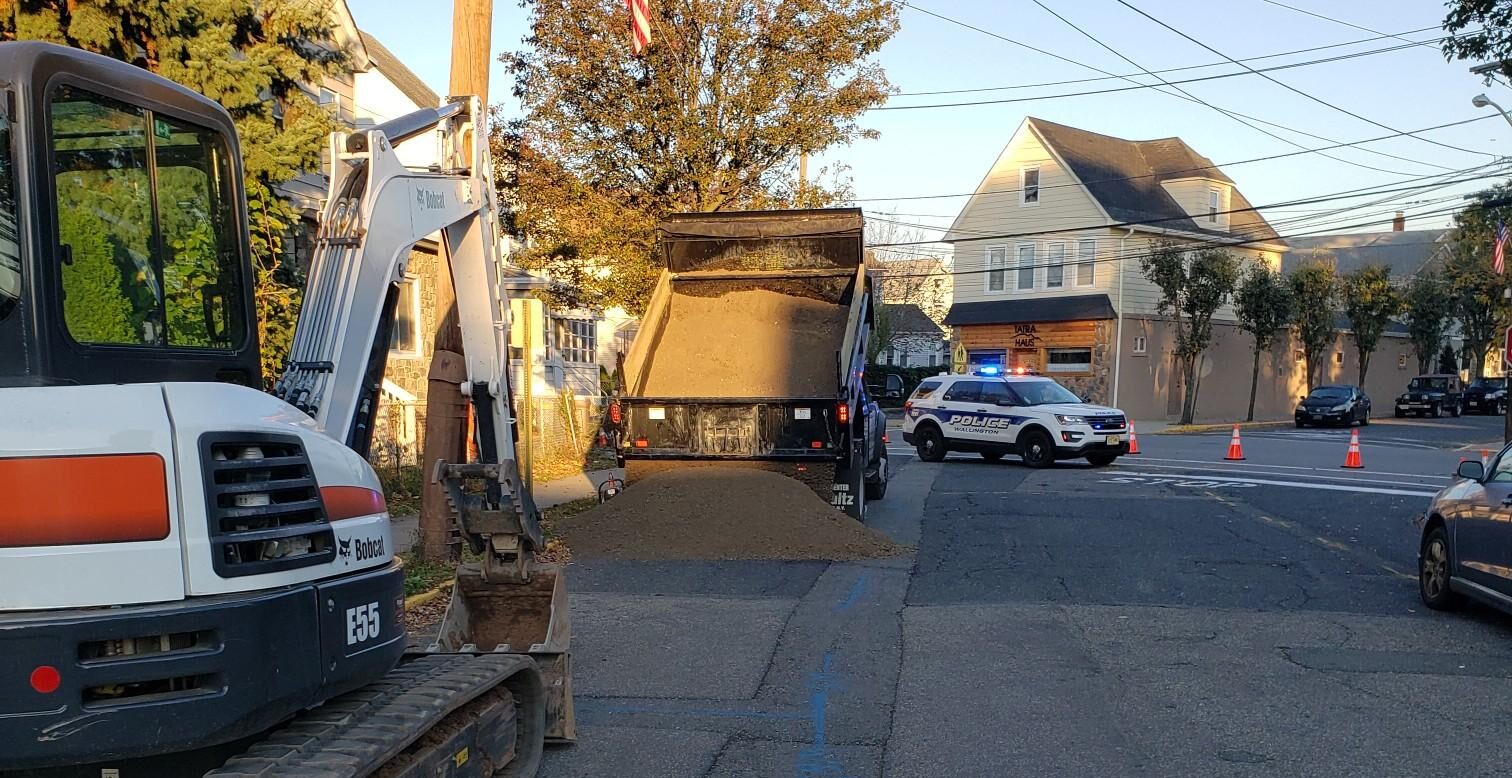
If you’re dealing with sewer backups, foul odors in your yard, or a collapsed pipe, you’re probably asking an important question before starting repairs: Do I need a permit to replace my sewer line in New Jersey? The short answer is yes, in almost every case, a permit is required. Sewer line replacement is not considered minor plumbing work. Because your sewer lateral connects directly to the municipal sewer system and impacts public health and environmental safety, New Jersey municipalities strictly regulate this type of project. Understanding the permit requirements before you begin can save you from costly fines, delays, and serious legal headaches.
Why Sewer Line Replacement Requires a Permit in New Jersey
Sewer lines carry wastewater from your home to the public sewer main. Any work that alters, replaces, or reconnects that system affects not only your property but also public infrastructure. New Jersey follows the Uniform Construction Code (UCC), which requires permits for most plumbing work involving underground piping. Municipal building departments enforce these codes to ensure proper slope, depth, pipe material, and safe connection to the public system. Without oversight, improperly installed sewer lines can cause contamination, structural damage, groundwater pollution, and sewage backups that impact entire neighborhoods. Permits ensure the work is done safely and correctly the first time.
What Type of Permit Is Required?
In most New Jersey towns, sewer replacement requires multiple approvals. A plumbing permit is almost always required. If excavation extends into a sidewalk, curb, or street, you may also need a road opening permit or right-of-way permit. Some municipalities require a sewer connection permit from the local sewer authority or engineering department. If your property is in Bergen County, Passaic County, Morris County, Essex County, or surrounding Northern New Jersey areas, local regulations may vary slightly, but the requirement for a permit remains consistent. Every town has its own application process and inspection schedule.
When Is a Permit Not Required?
Very rarely, minor interior plumbing repairs that do not involve replacing the sewer lateral may be exempt. For example, replacing a short interior drain line inside the basement might not require a full sewer permit. However, the moment the work involves digging outside, replacing the lateral, altering pipe configuration, or reconnecting to the municipal main, a permit is required. Homeowners should never assume work is exempt without confirming directly with the local building department. The risk of noncompliance is simply too high.
Who Is Responsible for Pulling the Permit?
Technically, the property owner is responsible for ensuring permits are obtained. However, in almost all professional sewer line replacement projects, the licensed contractor handles the permitting process on your behalf. This is one of the major benefits of hiring an experienced contractor, such as BRUTE Contracting, that specializes in sewer line replacement in New Jersey. They know the municipal requirements, paperwork, inspection timelines, and how to avoid costly mistakes. If you attempt to replace a sewer line yourself without permits and inspections, you could face fines, forced removal of completed work, and complications when selling your home.
What Happens If You Replace a Sewer Line Without a Permit?
Skipping the permit process can create serious consequences. Municipal inspectors can issue violations and stop-work orders. You may be required to excavate the line again for inspection, even if the work is already complete. Insurance companies may deny claims related to sewer damage if the installation was unpermitted. During a real estate transaction, buyers often request proof of permitted work. If documentation is missing, it can delay or even cancel a sale. In some cases, municipalities impose daily fines until the issue is corrected. The cost of fixing unpermitted work can far exceed the cost of doing it properly from the start.
The Sewer Line Permit Process in New Jersey
Although each municipality has its own procedures, the general process typically follows a similar pattern. First, an application is submitted to the local building department. This includes contractor license information, a description of the work, and, sometimes, a site plan. Permit fees are paid at submission. After approval, work can begin. Inspections are scheduled at specific stages, often before the trench is backfilled. Once the inspector verifies that the pipe installation meets code, the permit is closed. Working with a contractor familiar with local towns significantly streamlines this process.
How Much Do Sewer Line Permits Cost?
Permit fees vary by municipality and the scope of work. Plumbing permits may range from $100 to several hundred dollars. Road opening permits, traffic control requirements, and engineering review fees can increase that amount. While no homeowner enjoys additional costs, permits typically represent a very small percentage of the total sewer replacement project. Considering sewer line replacement can range from several thousand to tens of thousands of dollars, depending on complexity, the permit fee is a minor but essential investment in compliance and peace of mind.
Signs You May Need Sewer Line Replacement
Before even considering permits, confirm whether your sewer line actually needs replacement. Warning signs include recurring drain backups, sewage odors inside or outside the home, soggy or unusually green lawn patches, slow drains throughout the house, foundation cracks near plumbing exits, and older clay or cast-iron piping prone to collapse. Tree root intrusion is another common cause of sewer lateral failure in New Jersey, especially in older neighborhoods. A professional sewer camera inspection can determine whether repair or full replacement is necessary.
Trenchless vs Traditional Sewer Replacement
Modern sewer replacement does not always mean digging up your entire yard. In some cases, trenchless technology allows contractors to replace pipes with minimal surface disruption. However, even trenchless sewer replacement still requires permits because it involves reconnecting to the municipal system. The permit requirement is based on the nature of the plumbing alteration, not the excavation method. An experienced contractor can evaluate whether trenchless replacement is suitable for your property.
Can You Replace Your Own Sewer Line?
While technically possible in very limited circumstances, replacing your own sewer line is not recommended. Beyond permit complexity, sewer line replacement requires excavation equipment, understanding of pipe grading and slope calculations, knowledge of local codes, and safe connection procedures. Errors can result in chronic drainage issues, sewage backups, and environmental hazards. Professional contractors carry insurance, bonding, and licensing to protect homeowners during this high-risk type of work.
How BRUTE Contracting Can Help
If you’re in Northern New Jersey and facing sewer line problems, BRUTE Contracting specializes in sewer line repair and replacement services for residential and commercial properties. As an experienced underground utility contractor, BRUTE Contracting understands the specific permit requirements across Bergen County, Passaic County, Morris County, Essex County, and surrounding areas. Their team handles the entire process from start to finish — including permit applications, municipal coordination, inspections, excavation, pipe installation, and full restoration of your property.
Working with BRUTE Contracting means you don’t have to navigate municipal paperwork on your own. They communicate directly with building departments, ensure all code requirements are met, and schedule inspections at the proper stages of the project. Their experience with local towns allows them to anticipate potential road opening permits, engineering reviews, and right-of-way approvals before delays happen. This proactive approach saves homeowners time, stress, and unexpected complications.
Beyond permitting, BRUTE Contracting uses professional equipment and industry-approved materials to ensure your sewer line replacement is durable and compliant. Their team performs thorough site evaluations, identifies root intrusion or collapsed sections, and recommends the most cost-effective long-term solution. Whether the project requires traditional excavation or trenchless techniques, they prioritize safety, code compliance, and long-lasting results.
Final Answer: Do You Need a Permit?
In nearly every case, yes, you need a permit to replace your sewer line in New Jersey. Sewer lateral replacement is regulated plumbing work that impacts public infrastructure and environmental safety. Attempting to bypass the permit process can result in fines, failed inspections, insurance issues, and serious resale complications. The smartest approach is to work with a licensed professional who understands local requirements and manages the permitting process on your behalf.
If you suspect your sewer line needs replacement, contact BRUTE Contracting for a professional evaluation. Their team will assess your situation, explain your options, handle all necessary permits, and complete the job according to New Jersey code standards. With the right contractor, sewer line replacement doesn’t have to be overwhelming; it just has to be done correctly.
Frequently Asked Questions
Question: Do I always need a permit to replace a sewer line in New Jersey?
Answer: In almost all cases, yes. Sewer line replacement typically involves underground plumbing work and a connection to the municipal sewer system, which is regulated by your local construction office or sewer authority.
Question: What permits might be required for sewer line replacement?
Answer: Many towns require a plumbing permit, and if excavation impacts a sidewalk, curb, or street, you may also need a right-of-way permit or road opening permit. Some areas also require a sewer connection permit through a local sewer authority.
Question: Can my contractor pull the permit for me?
Answer: Yes. In most cases, a licensed contractor handles the permit application, fee payments, and inspection scheduling. This helps ensure the work meets code and avoids delays or violations.
Question: What happens if I replace my sewer line without a permit?
Answer: You could face fines, stop-work orders, forced re-excavation for inspections, and potential issues with insurance claims or future home sales. Municipalities may also require the work to be redone to meet code.
Question: How long does it take to get a sewer line permit approved?
Answer: Approval timelines vary by town. Some permits can be issued quickly, while others take longer if engineering review, right-of-way approvals, or coordination with the sewer authority is needed.
Question: How much does a sewer line permit cost in New Jersey?
Answer: Costs vary by municipality, but plumbing permits often range from $100 to several hundred dollars. Road opening permits, inspections, and restoration bonds can increase total permitting costs.
Question: Will my sewer line replacement require inspections?
Answer: Yes, most municipalities require inspections during the project, often before the trench is backfilled, to verify the pipe materials, slope, connections, and overall code compliance.
Question: Does trenchless sewer replacement still require a permit?
Answer: Yes. Even if trenchless methods reduce digging, the work still involves replacing underground plumbing and reconnecting to the municipal sewer system, which generally requires permitting and inspections.
Question: How do I know if my sewer line needs replacement or repair?
Answer: Frequent backups, slow drains throughout the home, sewage odors, wet spots in the yard, or tree root intrusion are common signs. A sewer camera inspection can confirm whether a repair or full replacement is needed.
Question: How can BRUTE Contracting help with sewer line permits and replacement?
Answer: BRUTE Contracting manages the entire sewer line replacement process, including permit applications, municipal coordination, inspections, excavation or trenchless replacement, and property restoration. Their experience across Northern New Jersey helps prevent delays and ensure the job meets local code requirements.
Reach out to BRUTE Contracting for all of your sewer line and water line replacement needs. Call 201-581-3740 for more info.
“`