


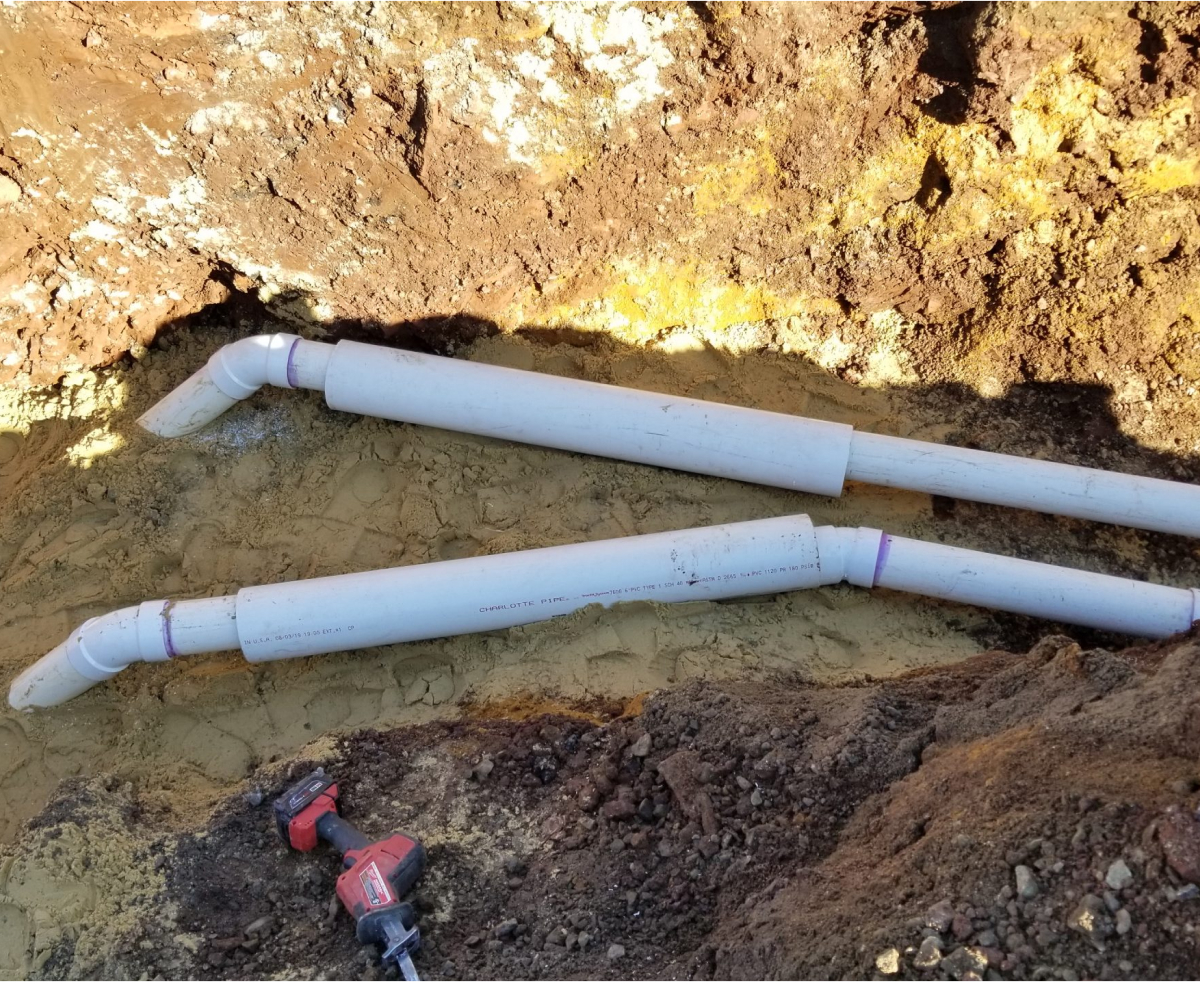
What NJ Homeowners Need to Know and How BRUTE Contracting Can Help
Sewer line damage is one of the most serious and costly plumbing issues a homeowner or property manager can face. Because sewer lines are buried underground and out of sight, problems often develop slowly and go unnoticed until they reach an advanced stage. In New Jersey, aging infrastructure, shifting soil conditions, tree root growth, and seasonal weather changes make sewer line damage especially common.
When a sewer line is compromised, wastewater cannot flow properly away from your home or commercial property. This can lead to slow drains, sewage backups, foul odors, and in severe cases, structural damage to foundations, landscaping, and paved surfaces. Understanding the most common causes of sewer line damage in New Jersey can help property owners recognize warning signs early and take action before repairs become more extensive and expensive.
This guide explains the leading causes of sewer line damage in NJ, why these problems occur, how they impact your property, and how professional sewer contractors like BRUTE Contracting in New Jersey can provide reliable, long term solutions.
Why Sewer Line Damage Is a Serious Issue in New Jersey
Sewer systems in many New Jersey towns were installed decades ago using materials that are now outdated or deteriorating. Clay pipes, cast iron pipes, and older composite materials are still common throughout the state. Over time, these materials weaken due to corrosion, soil pressure, and constant exposure to wastewater.
New Jersey’s climate also plays a role. Freeze and thaw cycles, heavy rainfall, and soil movement can stress sewer lines year after year. Combined with root intrusion and improper disposal habits, sewer lines can fail without obvious warning.
When sewer line damage is ignored, small cracks or blockages can turn into full pipe collapses. This not only increases repair costs but can also create unsafe conditions inside and outside the home. Acting early and working with an experienced sewer contractor like BRUTE Contracting in New Jersey helps prevent emergencies and protects your property investment.
Common Causes of Sewer Line Damage in New Jersey
- Tree Root Intrusion
One of the most common causes of sewer line damage in New Jersey is tree root intrusion. Tree roots naturally seek out moisture, and sewer lines provide a consistent water source. Even a small crack or loose joint in a sewer pipe can attract roots.
Once roots enter the pipe, they continue to grow and expand. Over time, this can cause blockages, restrict wastewater flow, and eventually crack or collapse the pipe. Older clay and cast iron sewer lines are particularly vulnerable to root intrusion.
Why this matters is simple. Root damage rarely resolves on its own. It worsens with time and often leads to recurring backups and costly repairs if not addressed professionally.
- Aging and Deteriorating Pipes
Many sewer systems throughout New Jersey are well past their expected lifespan. Pipes made from clay, cast iron, or older fiber materials were not designed to last indefinitely. Over time, these materials break down due to corrosion, rust, and constant exposure to moisture and waste.
As pipes deteriorate, their internal diameter can narrow, making blockages more likely. Cracks and weak points also form, allowing soil to enter the line and wastewater to leak out.
Aging pipes are one of the main reasons sewer line inspections are recommended for older homes. BRUTE Contracting in New Jersey frequently encounters sewer lines that have simply reached the end of their usable life.
- Soil Movement and Ground Shifting
Soil conditions in New Jersey vary widely depending on location. Natural settling, erosion, and construction activity can all cause soil to shift around buried sewer lines. When the ground moves, sewer pipes can become misaligned, cracked, or separated at the joints.
This often leads to what is known as a sewer line belly. A belly occurs when a section of pipe sags and collects water and debris instead of allowing waste to flow freely. Over time, these low points lead to recurring clogs and backups.
Soil movement is difficult to detect without professional inspection, which is why camera inspections are such a valuable diagnostic tool.
- Freezing and Thawing Cycles
New Jersey winters expose sewer lines to repeated freezing and thawing cycles. As the ground freezes, soil expands. When it thaws, soil contracts. This constant movement places stress on underground pipes.
Older sewer lines are especially susceptible to damage from freeze and thaw conditions. Cracks can form, joints can loosen, and pipes may shift out of alignment. Over multiple seasons, these small changes can result in significant sewer line failure.
This is one reason sewer problems often become noticeable in late winter or early spring.
- Improper Installation or Poor Workmanship
Not all sewer problems are caused by age or natural factors. In some cases, sewer lines fail because they were installed incorrectly from the start. Improper slope, poor soil compaction, or the use of low quality materials can all contribute to premature sewer line damage.
Improper installation may not show symptoms immediately. Issues can take years to surface, making them difficult to trace back to the original work. Once discovered, professional repair or replacement is usually required to correct the problem permanently.
- Blockages from Improper Disposal Habits
Everyday habits play a major role in sewer line health. Flushing wipes, paper towels, feminine hygiene products, and other non biodegradable materials can lead to blockages deep within the sewer line. Grease and cooking oils poured down kitchen drains harden over time and trap debris.
While these blockages may start inside the home, they often extend into the main sewer line. Repeated clogs are a strong indication of a deeper issue that requires professional attention.
- Heavy Equipment and Surface Pressure
Driveways, patios, and construction equipment placed above sewer lines can create additional pressure on pipes below. Over time, this weight can crack or crush sewer lines, especially older ones made of brittle materials.
This type of damage often occurs without any visible surface signs until the sewer line begins to fail.
- Warning Signs of Sewer Line Damage
Knowing the warning signs of sewer line damage can help you act before the problem becomes severe.
Common symptoms include slow draining sinks and tubs, frequent clogs in multiple fixtures, gurgling sounds from drains or toilets, sewage odors inside or outside the home, and water backing up into lower level drains.
Lush or unusually green patches of grass in your yard may also indicate a leaking sewer line beneath the surface.
If you notice any of these signs, it is important to contact a professional sewer contractor as soon as possible.
- How Sewer Line Damage Is Diagnosed
Professional sewer contractors use specialized equipment to diagnose sewer line problems accurately. Camera inspections allow technicians to view the inside of the sewer pipe in real time. This makes it possible to locate cracks, root intrusion, blockages, bellies, and collapsed sections without unnecessary digging.
BRUTE Contracting in New Jersey relies on modern diagnostic tools to determine the exact cause of sewer line damage and recommend the most effective repair solution.
Sewer Line Repair and Replacement Solutions
Sewer Line Cleaning and Root Removal
In cases where sewer lines are structurally sound but blocked by debris or roots, professional cleaning may be sufficient. High pressure water jetting and mechanical root removal can restore proper flow and extend the life of the pipe.
Sewer Line Repair
When damage is localized, repairing a specific section of pipe may be the best solution. This involves removing the damaged portion and replacing it with new, durable piping.
Sewer Line Replacement
If a sewer line is extensively damaged or has reached the end of its lifespan, full replacement may be necessary. Modern materials offer improved durability and resistance to root intrusion and corrosion.
BRUTE Contracting in New Jersey evaluates each situation individually to determine whether repair or replacement is the most cost effective and long term solution.
Why Choose BRUTE Contracting for Sewer Line Services in New Jersey
Choosing the right sewer contractor is essential when dealing with underground infrastructure issues. Sewer line work requires specialized knowledge, precision, and an understanding of local conditions that only an experienced contractor can provide.
BRUTE Contracting in New Jersey offers professional sewer line services for both residential and commercial properties, including:
- Sewer line inspections using modern diagnostic equipment
- Sewer line repairs for damaged or failing pipes
- Full sewer line replacements when aging systems can no longer be repaired
New Jersey presents unique challenges for sewer systems. Soil composition, seasonal freeze and thaw cycles, and older utility infrastructure all increase the risk of sewer line damage. The team at BRUTE Contracting understands these conditions and applies proven methods tailored to each property.
Every sewer project is completed with a focus on safety, long term performance, and minimizing disruption to your home or business. By combining experience with dependable workmanship, BRUTE Contracting delivers sewer line solutions that protect your property and reduce the risk of future issues.
Frequently Asked Questions About Sewer Line Damage
Question – What are the most common causes of sewer line damage in New Jersey?
Answer – Tree root intrusion, aging pipes, soil movement, freeze and thaw cycles, improper installation, and blockages from improper disposal habits are the most common causes. BRUTE Contracting in New Jersey regularly addresses these issues.
Question – How do I know if my sewer line is damaged?
Answer – Warning signs include slow drains, recurring clogs, sewage odors, gurgling sounds, and backups in multiple fixtures. A professional camera inspection can confirm the issue.
Question – Can sewer line damage be repaired without replacing the entire pipe?
Answer – In many cases, yes. If damage is limited to a specific section, targeted repair may be possible. BRUTE Contracting evaluates the condition of the line before recommending a solution.
Question – How long does a sewer line replacement take?
Answer – The timeline depends on the extent of damage and site conditions. Many projects can be completed within a few days with proper planning.
Question – Is sewer line damage covered by homeowners insurance?
Answer – Coverage varies by policy. It is best to review your insurance coverage and consult with your provider. BRUTE Contracting can provide documentation to support claims when applicable.
Question – How can I prevent sewer line damage in the future?
Answer – Regular inspections, proper disposal habits, monitoring tree placement, and addressing minor issues early can significantly reduce the risk of major sewer line damage.
Contact BRUTE Contracting in New Jersey
If you suspect sewer line damage or are experiencing recurring sewer issues, professional help is essential.
BRUTE Contracting
Phone: (201) 581 3740
Email: info@brutecontracting.com
Service Area: New Jersey
Services: Sewer line inspection, sewer line repair, sewer line replacement, trenchless solutions, excavation services